
Suppose you run a small gift shop. A regular customer brings her leashed dog inside, as she has done before. Another shopper reaches down to pet it, and the dog snaps at her hand.
The shopper leaves upset and asks for your insurance details. Who is responsible, and what should you do next?
California dog bite liability depends on each party's role and the circumstances.
The dog's owner, the business, the landlord and the employer face different legal questions. A bite happening at your shop does not automatically make your business liable.
Key takeaways
- Civil Code section 3342 places liability for qualifying bites on the dog's owner, not automatically on the business where the bite happened.
- A business's separate exposure generally depends on proof of its own negligence.
- A written response plan helps staff address injuries, preserve records and meet reporting obligations.
Start with the dog owner's legal position
Civil Code section 3342(a) makes a dog's owner liable for damages suffered by a person the dog bites while in a public place or lawfully in a private place, including the owner's property.
The statute applies regardless of the dog's previous viciousness or the owner's knowledge of it.
A claim has four parts: the defendant owned the dog, the dog bit the person, the person was in a public place or lawfully on private property, and the bite caused harm.
No earlier bite or warning sign is required. The authorities collected with CACI No. 463, the jury instruction for the statute, explain that the skin does not need to be broken for the statute to apply.
Strict liability does not mean automatic payment. The injured person still has to prove each element and the extent of harm, and the facts may support defenses.
Other dog-related injuries involve different rules. If a dog knocks someone over or causes a fall without biting them, section 3342 does not apply. Negligence may provide a basis for a claim.
A separate common-law theory covers animals with dangerous tendencies. Under CACI No. 462, that claim requires proof that the owner knew or should have known the animal had an unusually dangerous nature or tendency. The bite statute does not require that knowledge.
In the shop example, the customer owns the dog. Running the shop where the bite happened does not make you the owner under the statute.
Assess the business's separate exposure
Ownership and premises responsibility are different. If you own the dog and control the shop, both owner liability and premises negligence may need review.
If a visiting customer owns the dog, statutory owner liability points to that customer. Your business's separate exposure depends on whether it was negligent in the use or maintenance of the property.
CACI No. 1000 lists premises negligence as an element the injured person must prove. An incident on your property does not establish it by itself.
Relevant facts might include whether staff saw the same dog lunge at someone earlier that day and did nothing. That detail alone does not settle liability, but it is the kind of evidence counsel will need to assess.
Landlords face a distinct test. The authorities reproduced with CACI No. 1013 tie a landlord's liability for a tenant's dangerous dog to actual knowledge of the dog's dangerous tendencies and the ability to control or prevent the harm. A general claim that the landlord should have known is not the same standard.
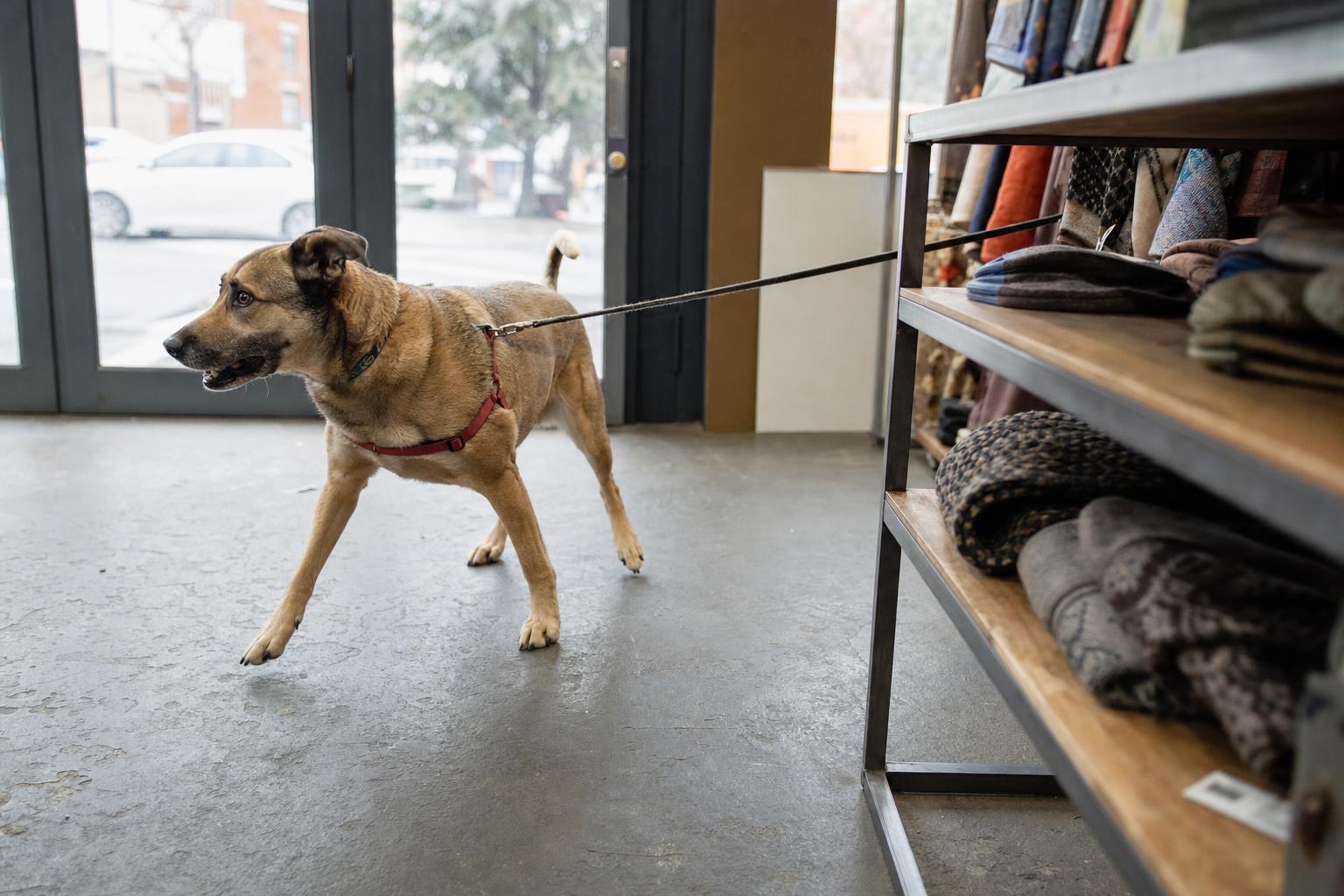
Bisnar Chase's California dog bite lawyer page is a claimant-side law-firm resource describing witness interviews and evidence collection.
It is background, not independent legal authority or a recommendation for business-defense representation.
Those steps help explain why business records may become relevant even when the dog's owner is the primary defendant.
A work-related employee injury needs its own process. California's Division of Workers' Compensation instructs employers to give or mail a workers' compensation claim form within one working day after learning about an employee's work-related injury or illness.
The claims administrator and counsel can assess benefit eligibility and any other claims.
Pet policies must respect service-animal access. The US Department of Justice's ADA guidance says businesses serving the public generally must allow service animals in areas open to the public.
Staff cannot require a special identification card or training documentation for the dog, although the animal must remain under its handler's control.
A discretionary pet policy can limit non-service dogs, but staff should not apply it as a blanket service-animal ban or demand registration papers.
Give staff a written pet policy and name the person they should contact when a dog is loose, aggressive or involved in an incident. Neither step guarantees protection from liability.
Put an incident-response checklist in place
Early action can help staff care for the injured person and preserve evidence before memories fade or footage is overwritten. Build these steps into your response plan.
- Address immediate safety. Call emergency services if the injury is serious, separate the dog from customers, and offer first aid or medical help.
- Record the basics. Note the date, time, location, dog owner's contact details, injured person's details and witness names. Store personal information where only authorized staff can access it.
- Preserve original records. Keep surveillance footage unedited, along with earlier complaints about the dog, staff messages and the incident report. Spell out who handles each of these steps in your staff handbook so the process doesn’t depend on who happens to be on shift.
- Notify the insurer or claims administrator. Report promptly and ask which policy may respond, what exclusions apply and what information is needed next. Notification does not guarantee coverage.
- Get California legal advice. Ask about responsibility, defenses and deadlines before discussing the claim with insurers or claimant-side counsel. Firms such as Bisnar Chase describe negotiating with insurers and other parties on behalf of injured claimants.
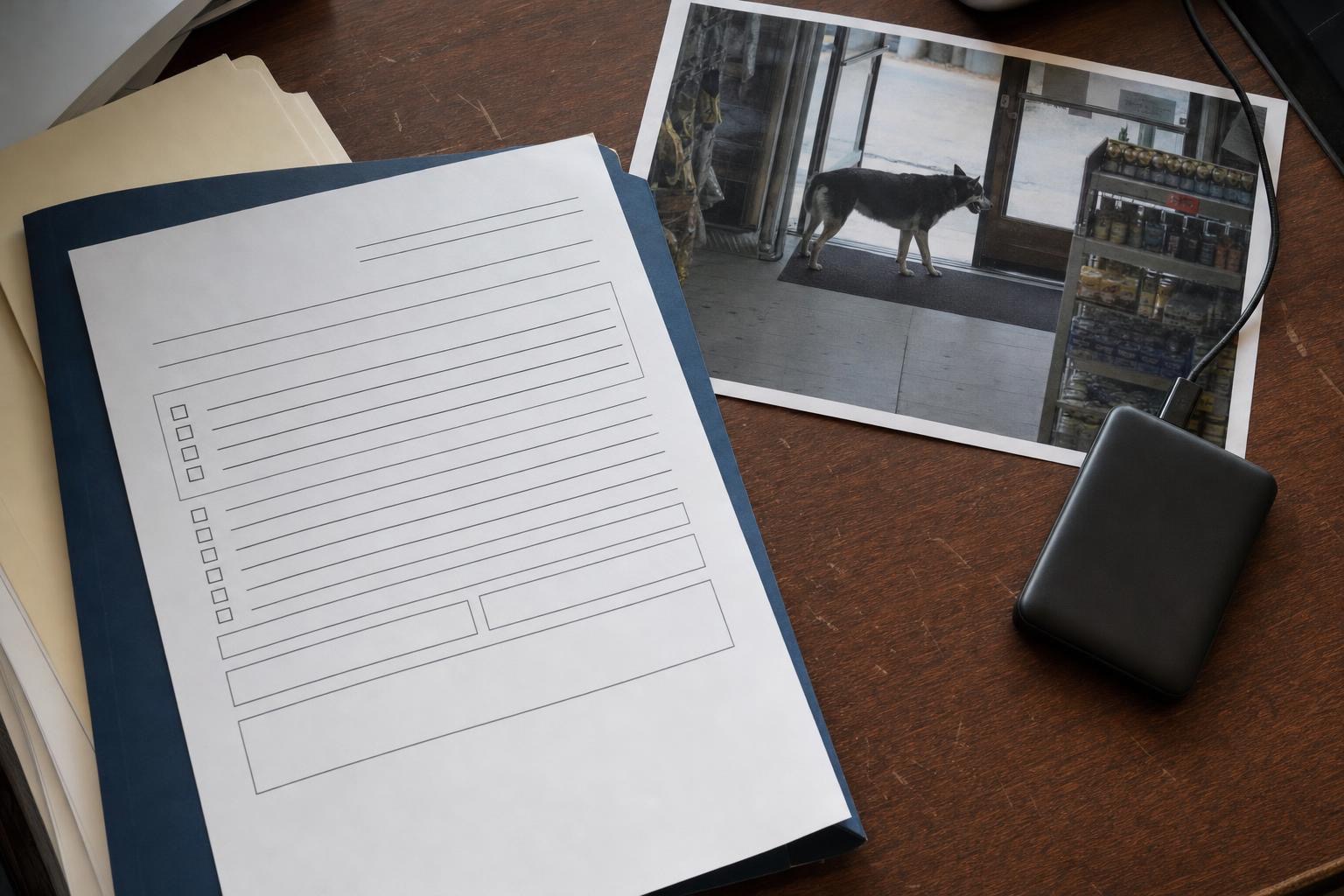
Bisnar Chase's dog-bite page describes witness interviews, evidence collection, insurer negotiations and trial when necessary.
Understanding those claimant-side services can help a business anticipate requests for witness details, footage and incident records. Ask your own counsel how to respond to those requests.
Code of Civil Procedure section 335.1 sets a general two-year period for personal-injury actions. Treat that as a starting point only; counsel must assess the deadline that applies to a specific claim.
Review the response plan with staff whenever your pet policy or insurance changes.
The opinions on this page are for general information purposes only and do not constitute legal advice on which you should rely.


